
Introduction
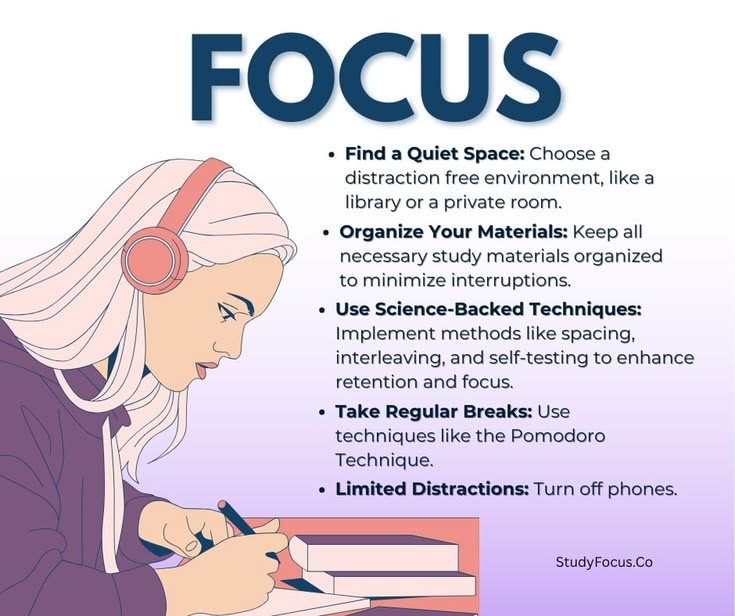
Many students struggle to stay focused during study sessions. Books remain open for hours, yet very little information actually enters the mind. Mobile phones, social media, stress, noise, and lack of motivation often make studying difficult. As a result, students become frustrated and lose confidence in their abilities. Learning how to focus while studying can completely change this situation and help students perform better in school, college, and competitive exams.Concentration is not a natural talent that only a few people possess. It is a skill that anyone can improve with the right habits and techniques. Once students understand how the brain responds to distractions and how focus works, studying becomes easier and more productive. Instead of spending long hours with poor results, students can complete tasks faster and remember information more effectively.A focused mind also reduces stress and improves time management. Students who study with concentration often feel more relaxed because they complete their work on time. In addition, they enjoy learning more because they can clearly understand difficult topics without constant confusion.
This guide explains how to focus while studying using simple and practical methods. Whether you are a beginner or an intermediate learner, these strategies will help you build stronger concentration, improve memory, and create better study habits for long-term academic success.
What is How to Focus While Studying?
How to focus while studying means training your mind to give full attention to learning without getting distracted. It involves creating the right environment, using effective study techniques, managing time properly, and maintaining mental and physical health.
When students focus correctly, they absorb information faster and remember it for a longer period. Focused studying is not about sitting at a desk for many hours. Instead, it means studying with complete attention for a shorter and more effective time.
For example, a student who studies mathematics for one focused hour may learn more than another student who spends four distracted hours switching between books and social media.
Learning how to focus while studying includes several important elements:
- Eliminating distractions
- Setting clear goals
- Managing study time wisely
- Taking healthy breaks
- Staying mentally and physically active
- Building self-discipline
Strong concentration can improve performance in every subject and help students achieve better academic results.
Why is How to Focus While Studying Important?
Understanding how to focus while studying is important because concentration directly affects learning quality. Without focus, students waste time and struggle to remember information.
Here are some major reasons why focus matters during study sessions:
Better Memory Retention
Focused learning helps the brain process and store information more effectively. Students remember lessons for a longer time when they study without distractions.
Improved Academic Performance
Concentration allows students to complete assignments accurately and prepare better for exams. This leads to higher grades and increased confidence.
Faster Learning
Students who focus properly can understand topics more quickly. They spend less time repeating the same material again and again.
Reduced Stress
Distractions often create unfinished work and last-minute pressure. Focused studying reduces anxiety because tasks are completed on time.
Better Time Management
Students with strong concentration can finish study sessions faster, leaving more time for hobbies, relaxation, and family activities.
Increased Motivation
Success creates motivation. When students notice better results from focused study sessions, they naturally become more interested in learning.
Detailed Step-by-Step Guide
Step 1: Create a Dedicated Study Space
Your environment strongly affects concentration. A clean and organized study area helps the brain stay calm and focused.
Choose a quiet place with:
- Good lighting
- Comfortable seating
- Proper ventilation
- Minimal noise
- Organized study materials
Avoid studying on the bed because it encourages sleepiness and laziness. A proper desk and chair improve posture and concentration.
For example, many students notice improved productivity when they study in a library or a quiet room instead of a noisy living area.
Step 2: Remove Distractions
One of the biggest challenges in learning how to focus while studying is handling distractions.
Common distractions include:
- Mobile phones
- Social media
- Television
- Video games
- Loud conversations
- Notifications
Place your phone on silent mode or keep it in another room while studying. You can also use productivity apps that block distracting websites during study time.
Even small interruptions can break concentration and reduce learning efficiency.
Step 3: Set Clear Study Goals
Studying without a goal often leads to confusion and lack of direction. Before starting, decide exactly what you want to achieve.
Examples of clear study goals include:
- Finish one chapter of biology
- Solve twenty math problems
- Learn ten vocabulary words
- Revise history notes for thirty minutes
Clear goals keep the mind focused and provide a sense of achievement after completion.
Step 4: Use the Pomodoro Technique
The Pomodoro Technique is a popular time-management method that improves focus and prevents mental exhaustion.
Here is how it works:
- Study for 25 minutes
- Take a 5-minute break
- Repeat the cycle four times
- Take a longer break of 15 to 30 minutes
Short study sessions help the brain maintain attention without feeling overwhelmed.
For example, students preparing for exams often use this method to stay productive during long study hours.
Step 5: Prioritize Difficult Subjects First
The brain is usually more active and energetic earlier in the day. Use this time to study difficult or important subjects.
Studying challenging topics first improves understanding because mental energy is highest at the beginning of a study session.
For instance, if mathematics feels difficult, study it before moving to easier subjects like reading or revision.
Step 6: Take Healthy Breaks
Continuous studying without breaks can reduce concentration and cause mental fatigue.
Healthy breaks help refresh the mind. During breaks, students can:
- Stretch the body
- Walk for a few minutes
- Drink water
- Practice deep breathing
- Listen to calm music
Avoid using social media during breaks because it can make it difficult to return to studying.
Step 7: Maintain a Healthy Lifestyle
Physical health and mental focus are closely connected. Students often ignore sleep, exercise, and nutrition, but these factors strongly affect concentration.
Important habits include:
Get Enough Sleep
Sleep improves memory and brain performance. Most students need around seven to nine hours of sleep every night.
Eat Healthy Foods
Brain-friendly foods include:
- Fruits
- Vegetables
- Nuts
- Fish
- Eggs
- Whole grains
Avoid excessive junk food and sugary drinks because they can reduce energy levels.
Exercise Regularly
Physical activity improves blood flow to the brain and increases focus. Even a short daily walk can boost concentration.
Step 8: Practice Active Learning
Passive reading often causes boredom and distraction. Active learning keeps the brain engaged.
Effective active learning methods include:
- Taking notes
- Highlighting key points
- Teaching others
- Solving practice questions
- Creating summaries
- Using flashcards
For example, explaining a science topic to a friend helps students understand and remember it better.
Step 9: Stay Motivated
Motivation plays a major role in concentration. Students who understand their goals are more likely to stay focused.
Ways to stay motivated include:
- Rewarding yourself after study sessions
- Tracking progress
- Setting realistic targets
- Remembering long-term goals
- Studying with positive people
Small achievements can increase confidence and encourage consistent effort.
Step 10: Practice Mindfulness and Meditation
Mindfulness helps train the brain to stay present and avoid wandering thoughts.
Simple mindfulness exercises include:
- Deep breathing
- Short meditation sessions
- Closing the eyes for relaxation
- Focusing on one task at a time
Even ten minutes of meditation daily can improve concentration and reduce stress.
Benefits of How to Focus While Studying
Developing strong study focus offers many long-term advantages.
- Improves memory and understanding
- Increases exam performance
- Saves time during study sessions
- Builds confidence and motivation
- Reduces academic stress
- Helps complete assignments faster
- Strengthens self-discipline
- Encourages better time management
- Creates healthier study habits
- Improves problem-solving abilities
Focused students often feel more satisfied with their academic progress and personal growth.
Disadvantages / Risks
Although learning how to focus while studying is beneficial, students may face some challenges during the process.
- Mental exhaustion from overstudying
- Frustration when results are slow
- Difficulty breaking old habits
- Increased pressure from unrealistic expectations
- Temporary boredom during focused sessions
- Stress caused by perfectionism
- Lack of social interaction if balance is ignored
These risks can be reduced through proper balance, healthy routines, and realistic study goals.
Common Mistakes to Avoid
Many students unknowingly damage their concentration through poor habits. Avoiding these mistakes can improve focus significantly.
Studying with the Phone Nearby
Even silent notifications can distract the brain. Keeping the phone close reduces concentration levels.
Multitasking
Trying to study while watching videos or chatting online lowers learning quality. The brain performs better when focusing on one task at a time.
Skipping Breaks
Long study sessions without rest often lead to burnout and reduced memory retention.
Studying Without a Plan
Lack of structure creates confusion and wastes time. Always create a simple study schedule before starting.
Sleeping Too Late
Late-night habits reduce mental energy and concentration during the day.
Ignoring Physical Health
Poor diet, lack of sleep, and no exercise can negatively affect academic performance.
Comparing Yourself to Others
Every student learns differently. Comparing progress with others can reduce motivation and confidence.
FAQs
How can I focus on studying without getting distracted?
Start by removing distractions such as phones, television, and unnecessary noise. Set clear goals and study in short sessions with regular breaks. A quiet environment and proper planning can improve concentration greatly.
Why do I lose focus while studying?
Students often lose focus because of stress, boredom, tiredness, or distractions. Lack of sleep and poor study habits can also reduce concentration. Identifying the main cause helps improve focus more effectively.
How many hours should I study daily?
The ideal study duration depends on individual goals and learning capacity. Many students perform well with two to five focused study hours daily. Quality matters more than total hours.
Does listening to music help while studying?
Some students concentrate better with soft instrumental music because it reduces background noise. However, loud or lyrical music may distract attention. Test different methods to see what works best for you.
Can exercise improve study focus?
Yes, regular exercise improves blood circulation and brain function. Physical activity reduces stress and increases energy, making it easier to concentrate during study sessions.
What foods improve concentration while studying?

Healthy foods such as fruits, nuts, fish, eggs, yogurt, and whole grains support brain performance. Drinking enough water is also important for mental alertness.
Is studying at night better than studying in the morning?
It depends on personal preference. Some students focus better at night, while others perform better in the morning. Choose the time when your mind feels most active and energetic.
How long should study breaks be?
Short breaks of five to ten minutes after every twenty-five to fifty minutes of studying are usually effective. Longer breaks can be taken after several study sessions.
Expert Tips & Bonus Points
Students who want even stronger concentration can apply these advanced tips.
Use Visualization Techniques
Imagine yourself achieving academic goals such as high grades or exam success. Positive visualization increases motivation and confidence.
Keep a Study Journal
Writing daily progress helps students stay organized and identify weak areas that need improvement.
Study at the Same Time Daily
A regular routine trains the brain to become naturally prepared for studying at certain hours.
Stay Hydrated
Dehydration can reduce concentration and energy levels. Drink enough water throughout the day.
Avoid Perfectionism
Trying to study perfectly all the time creates unnecessary stress. Focus on steady improvement instead.
Use Memory Techniques
Methods like mnemonics, mind maps, and association techniques can improve learning and retention.
Reward Yourself
After completing study goals, give yourself a small reward such as a favorite snack or short relaxation time. Rewards encourage consistency.
Learn to Say No
Too many social activities can interrupt study routines. Protect your study time by setting healthy boundaries.
Practice Self-Discipline
Motivation changes daily, but discipline creates long-term success. Build consistent habits even when you do not feel motivated.
Conclusion
Learning how to focus while studying is one of the most valuable skills students can develop. Strong concentration improves learning speed, memory retention, confidence, and academic performance. Although distractions are common in modern life, students can overcome them by building healthy habits and using practical study techniques.A focused study routine begins with simple actions such as creating a quiet environment, setting clear goals, and managing time wisely. In addition, proper sleep, healthy eating, exercise, and regular breaks help the brain stay active and productive. Students who practice active learning and mindfulness often notice significant improvements in concentration over time.It is important to remember that focus does not improve overnight. Like any skill, concentration requires patience, consistency, and self-discipline. Some days may feel more productive than others, but small daily improvements eventually create strong study habits and long-term success.Students should also avoid comparing themselves with others. Every learner has different strengths, weaknesses, and learning styles. The key is to discover methods that work personally and apply them consistently.