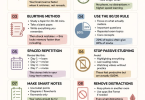
The final weeks before exams do not have to feel like a slow-motion emergency. Panic comes from vagueness — a mountain of material and no map. A calm plan turns the mountain into a path: what to revise, in what order, and when to stop each day. These study tips for exams focus on the methods that reliably raise marks in the time you actually have left, and on the routines that keep your brain working at its best when it matters most.
Build a Timetable You Can Actually Keep
Start by listing every exam, its date and the topics it covers. Rank topics by two factors: how heavily they are tested and how weak you currently feel on them. High-weight, low-confidence topics go first, while the calendar is still generous. This single ordering decision is worth more than any revision hack.
Schedule in blocks of 40 to 50 minutes with real breaks, and be honest about your capacity — five focused blocks a day beat ten resentful ones. Put the timetable somewhere visible and tick blocks off as you complete them. On days when life intervenes, shrink the plan rather than abandoning it: one block done keeps the chain alive.
Revise Actively: Recall, Don’t Re-Read
The most common revision mistake is re-reading notes and highlighting, which produces a warm feeling of familiarity that evaporates in the exam hall. Replace it with active recall: close the book and write down everything you know about a topic, then check and fill the gaps in a different colour. Those gaps, made visible, are your revision list for tomorrow.
Flashcards, self-quizzes and teaching an imaginary student all work on the same principle. So does the most underrated of all study tips for exams: past papers under timed conditions. They teach you the exam’s real language, expose the topics that repeat, and train your pacing so that no question in the real paper is a surprise in either content or format.
Space, Mix and Sleep
Your brain needs repeated encounters with material, separated by time, to move it into long-term memory. Revisit each topic after one day, then after three, then after a week, briefly refreshing rather than relearning. Mixing subjects within a day also helps, because switching forces you to identify what kind of problem you are facing — exactly the skill exams test.
Sleep is not the enemy of revision; it is where revision finishes. Memory consolidates overnight, and an all-night session trades tomorrow’s recall for tonight’s illusion of effort. Keep a regular sleep schedule in the final weeks, and let the night before each exam be for light review and rest, not heroics.
Look After Your Body Like It Is Part of the Exam
It is, effectively. Regular movement clears stress hormones and restores focus; even a twenty-minute walk between blocks measurably improves the next one. Eat real meals at real times, keep water at your desk, and be modest with caffeine after midday, because borrowed alertness is repaid in broken sleep.
Simple self-care rituals steady the nerves more than students expect. A consistent morning routine — daylight, a shower, a few quiet minutes — sets the day’s tone, in the same spirit as the advice behind a daily skincare routine for radiance: small, regular care that shows. On exam day itself, comfort is a genuine advantage; even the thinking behind how small comforts support more comfortable public bathroom visits carries a lesson — remove every avoidable discomfort in advance, from your route and breakfast to your pens and water bottle, so your attention belongs entirely to the paper.
The Night Before and the Morning Of
Prepare everything the evening before: documents, stationery, water, watch, route and timing. Lay out clothes, charge your phone, set two alarms. Then stop studying at a reasonable hour and do something genuinely relaxing. Cramming at midnight adds almost no knowledge and subtracts a night of consolidation.
In the exam, spend the first minutes reading the whole paper and budgeting your time by marks. Answer the questions you know best first to build momentum, keep an eye on the clock at planned checkpoints, and leave the final minutes for review rather than writing to the last second. Follow these study tips for exams and you will walk in with something better than hope: a plan you have already practised, in a body you have looked after, on topics you have tested yourself on honestly. That is what calm confidence is made of.
Handle Motivation Dips and Bad Days
Every revision plan meets a day when nothing sticks and the timetable feels like a lie. Expect these days rather than being ambushed by them. The correct response is to shrink, not stop: do one short block on your strongest topic, tick it off, and let momentum return tomorrow. A maintained streak, however small, protects the identity you are building — someone who shows up.
Comparison is the other poison of the final weeks. Someone else’s colour-coded notes and fourteen-hour days are theatre, not data. You cannot see their understanding, only their performance of effort. Return to your own evidence: the recall sheets filling with more ink each week, the past-paper scores creeping upward. That is progress you can trust, measured in the only currency exams accept.
After the Exams: Keep What Worked
When the last paper is handed in, spend ten honest minutes writing down what actually helped: which methods raised your past-paper scores, which habits collapsed under pressure, what you would start earlier. Students repeat courses, subjects and careers for decades, and this small debrief is how each exam season becomes easier than the last.
Then rest properly and without guilt. The plan worked because it included recovery, and recovery after the finish line is part of the same wisdom. You will study again — for the next qualification, the next job, the next challenge — and you will do it as someone who has proven they can prepare calmly and perform steadily. That knowledge is worth as much as any single result.