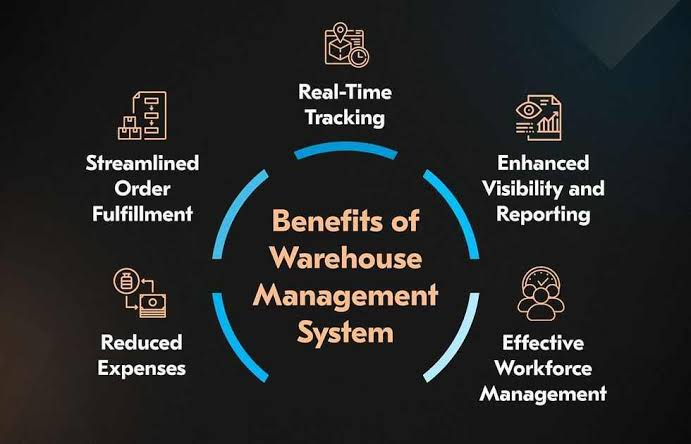

As businesses grow, managing warehouse operations becomes increasingly challenging. Handling inventory manually, tracking shipments, and processing orders without a centralized system often leads to delays, stock inaccuracies, and higher operating costs. A Warehouse Management System (WMS) helps businesses streamline warehouse operations while improving inventory accuracy and customer satisfaction.
Whether a company operates in retail, manufacturing, wholesale, or logistics, an efficient warehouse management system plays a vital role in maintaining a smooth supply chain.
What Is a Warehouse Management System?
A Warehouse Management System is software designed to manage warehouse activities from receiving inventory to storing products, picking orders, packing shipments, and dispatching goods.
It provides real-time visibility into warehouse operations, allowing businesses to monitor inventory levels, employee productivity, and order fulfillment from a single platform.
Why Businesses Need a Warehouse Management System
Manual warehouse management often results in misplaced inventory, shipping errors, and inefficient use of warehouse space. A WMS automates routine processes, helping businesses reduce mistakes and improve operational efficiency.
With accurate inventory tracking, companies can fulfill customer orders more quickly and reduce unnecessary inventory costs.
Key Benefits of a Warehouse Management System
Real-Time Inventory Visibility
Businesses can monitor stock movement, product availability, and warehouse activities instantly.
Faster Order Fulfillment
Warehouse staff can locate products more efficiently, reducing picking and packing time while improving delivery speed.
Improved Inventory Accuracy
Barcode scanning and automated inventory updates minimize human errors and maintain accurate stock records.
Better Warehouse Space Utilization
A WMS helps organize storage locations efficiently, maximizing available warehouse capacity.
Lower Operational Costs
Automation reduces labor-intensive tasks, minimizes inventory losses, and improves overall warehouse productivity.
Essential Features of a Modern WMS
A professional warehouse management solution usually includes:
- Inventory tracking
- Barcode and QR code scanning
- Order management
- Shipment tracking
- Warehouse location management
- Stock replenishment alerts
- Reporting dashboards
- Mobile accessibility
- Cloud integration
- Multi-warehouse support
These features help businesses manage warehouse operations more effectively.
Industries That Benefit from Warehouse Management Software
Warehouse Management Systems are widely used in:
- Retail
- Manufacturing
- Wholesale Distribution
- E-commerce
- Logistics
- Food and Beverage
- Pharmaceuticals
- Automotive
- Electronics
- Consumer Goods
Any business managing physical inventory can benefit from warehouse automation.
Choosing the Right Warehouse Solution
When selecting a Warehouse Management System, businesses should evaluate scalability, integration capabilities, ease of use, reporting features, security, and long-term support.
Companies looking to optimize warehouse operations should consider professional warehouse management system solutions that can be customized to meet their specific operational requirements and future growth plans.
Future of Warehouse Management
Emerging technologies such as Artificial Intelligence, robotics, IoT sensors, RFID tracking, and predictive analytics are transforming warehouse operations. Modern WMS platforms can automate inventory replenishment, optimize storage locations, and improve supply chain visibility in real time.
Businesses adopting these technologies will improve efficiency while reducing operational costs.
Conclusion
A Warehouse Management System is more than just inventory software—it is a strategic business solution that improves warehouse efficiency, order accuracy, and customer satisfaction. By automating warehouse operations and providing real-time visibility, businesses can streamline their supply chain and support long-term growth.
Investing in a modern WMS enables organizations to remain competitive while delivering faster and more reliable service to customers.