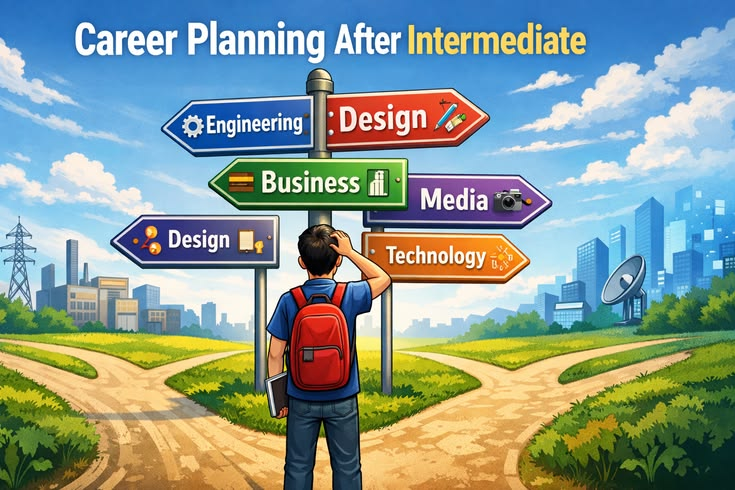

Introduction
Study abroad career guidance has become one of the most important topics for students who want international education and better professional opportunities. Thousands of students every year dream of studying in countries like the United States, Canada, Australia, Germany, and the United Kingdom. However, many students feel confused about choosing the right course, selecting the best university, understanding visa requirements, and planning their future career path.
A successful international education journey is not only about getting admission to a foreign university. It also involves financial planning, career research, language preparation, and understanding global job markets. Without proper study abroad career guidance, students may choose the wrong degree, spend unnecessary money, or struggle to find suitable career opportunities after graduation.
Today, global employers value international exposure, communication skills, and multicultural experiences. Students who study abroad often develop confidence, independence, and professional skills that help them stand out in competitive industries. From engineering and medicine to business and information technology, international education opens doors to many career possibilities.
This detailed guide will help beginners and intermediate students understand every important aspect of studying abroad. You will learn how to select the right country, choose a career-focused degree, manage expenses, avoid common mistakes, and build a successful future after graduation. If you are planning your international education journey, this guide will provide practical and easy-to-follow information to support your goals.
What is Study Abroad Career Guidance?
Study abroad career guidance refers to the process of helping students choose the right international education path according to their interests, skills, academic background, and career goals. It includes advice about countries, universities, courses, scholarships, visas, career opportunities, and future job markets.
Many students select a university based only on popularity or social media trends. However, proper guidance focuses on long-term success instead of temporary excitement. A good study abroad plan considers academic quality, employment opportunities, living expenses, and immigration policies.
Career guidance experts usually help students with:
- Choosing suitable courses
- Selecting the best study destination
- Understanding admission requirements
- Preparing language tests
- Finding scholarships
- Planning career growth
- Improving professional skills
For example, a student interested in software engineering may benefit from studying in Canada or Germany due to strong technology sectors and job opportunities. On the other hand, a student interested in finance may prefer the United Kingdom because of its global business environment.
Study abroad career guidance helps students make smart and informed decisions that support both education and career success.
Why is Study Abroad Career Guidance Important?
Many students believe that getting admission is the hardest part of studying abroad. In reality, planning a successful career after graduation is even more important. Proper study abroad career guidance helps students avoid confusion and create a clear future roadmap.
Here are some major reasons why career guidance matters:
Better Career Planning
Students can choose courses that match global market demands. This increases employment opportunities after graduation.
Smart Financial Decisions
International education can be expensive. Guidance helps students select affordable universities, scholarships, and budget-friendly countries.
Improved University Selection
Not every university offers strong career support. Proper guidance helps students choose institutions with internships, industry partnerships, and high graduate employment rates.
Reduced Risk of Failure
Students who understand academic expectations and cultural differences adjust more easily in foreign countries.
Higher Chances of Immigration Success
Many students want to settle abroad after graduation. Career guidance helps them select countries with favorable work permit and immigration systems.
Stronger Professional Development
International education improves communication, leadership, teamwork, and networking abilities that employers appreciate worldwide.
Without proper planning, students may face problems such as unemployment, visa rejection, financial pressure, or academic struggles. That is why study abroad career guidance plays a critical role in long-term success.
Detailed Step-by-Step Guide
Step 1: Understand Your Interests and Skills
Before selecting a country or university, students should first understand their strengths and interests.
Ask yourself these questions:
- What subjects do I enjoy studying?
- Which career field excites me?
- What are my long-term goals?
- Do I prefer technical or creative work?
- Am I comfortable living independently abroad?
Students who choose courses based on personal interest usually perform better academically and professionally.
Step 2: Research Career Opportunities
Different countries offer different career opportunities. Research industries with strong future growth.
Popular career-focused fields include:
- Information Technology
- Artificial Intelligence
- Healthcare
- Business Management
- Engineering
- Cybersecurity
- Data Science
- Digital Marketing
For example, Australia offers excellent opportunities in healthcare and engineering, while Germany is known for manufacturing and automotive industries.
Step 3: Select the Right Country
Choosing the right country is one of the most important parts of study abroad career guidance.
Consider these factors:
- Tuition fees
- Cost of living
- Work opportunities
- Visa policies
- Safety
- Climate
- Language
- Immigration pathways
Popular study destinations include:
Canada
Canada is known for affordable education, multicultural environments, and strong immigration opportunities.
Australia
Australia offers excellent universities, good weather, and strong student support systems.
United Kingdom
The UK provides high-quality education and shorter degree durations.
Germany
Germany is popular for low tuition fees and strong engineering programs.
United States
The USA offers world-class universities and extensive research opportunities.
Step 4: Choose the Right University
Do not choose a university only because it is famous. Focus on educational quality and career outcomes.
Check these factors:
- Course curriculum
- Internship programs
- Graduate employment rate
- Industry connections
- Student support services
- Scholarship options
A university with strong career counseling services can significantly improve your professional future.
Step 5: Understand Admission Requirements
Every university has different admission requirements. Common requirements include:
- Academic transcripts
- English language tests
- Statement of purpose
- Recommendation letters
- Passport
- Resume or CV
Language exams usually include IELTS, TOEFL, or PTE. Students should prepare early to achieve competitive scores.
Step 6: Plan Your Finances
Financial planning is extremely important for international students.
Students should calculate:
- Tuition fees
- Accommodation costs
- Food expenses
- Transportation
- Health insurance
- Emergency savings
Ways to manage expenses include:
- Applying for scholarships
- Choosing affordable cities
- Working part-time
- Sharing accommodation
Good financial management reduces stress during studies abroad.
Step 7: Apply for Scholarships
Scholarships can reduce education expenses significantly. Many governments and universities offer scholarships for international students.
Common scholarship types include:
- Merit-based scholarships
- Need-based scholarships
- Sports scholarships
- Research scholarships
Students should apply early because scholarship competition is often high.
Step 8: Prepare for Student Visa Interviews
Visa approval is a critical stage in the process.
Students should prepare carefully by understanding:
- Study plans
- Financial documents
- Career goals
- University details
Confidence and honesty during interviews improve approval chances.
Step 9: Improve Soft Skills
Academic knowledge alone is not enough for career success. International employers also value soft skills.
Important soft skills include:
- Communication
- Teamwork
- Leadership
- Time management
- Problem-solving
- Adaptability
Students can improve these skills through internships, volunteer work, and student activities.
Step 10: Build Professional Networks
Networking plays a major role in career growth.
Students should:
- Attend university events
- Join student organizations
- Connect with professors
- Participate in internships
- Use professional networking platforms
Strong connections can help students discover internships and job opportunities after graduation.
Step 11: Gain Work Experience
Part-time jobs and internships provide valuable practical experience.
Benefits include:
- Improved communication skills
- Better understanding of workplace culture
- Financial support
- Stronger resumes
Many countries allow international students to work during studies.
Step 12: Prepare for Post-Graduation Careers
Students should start career planning before graduation.
Useful steps include:
- Updating resumes regularly
- Practicing interviews
- Building portfolios
- Learning industry software
- Researching work visa options
Early preparation increases job opportunities after completing studies.
Benefits of Study Abroad Career Guidance
- Helps students choose the right career path
- Reduces chances of selecting unsuitable courses
- Improves university selection decisions
- Supports financial planning
- Increases scholarship opportunities
- Builds confidence for international education
- Improves career growth possibilities
- Enhances global exposure
- Develops communication and leadership skills
- Helps students understand international job markets
- Reduces visa rejection risks
- Encourages professional networking
Disadvantages / Risks
- International education can be expensive
- Students may experience homesickness
- Cultural adjustment may take time
- Language barriers can create communication difficulties
- Wrong course selection may affect career growth
- Visa rules may change unexpectedly
- Part-time work opportunities can vary by country
- Academic pressure may become stressful
- Some students struggle with financial management
- Employment competition can be challenging after graduation
Common Mistakes to Avoid
Many students make avoidable mistakes during their study abroad journey. Understanding these mistakes can improve success rates.
Choosing a Course Without Career Research
Some students select courses based only on popularity. Always research career opportunities before making decisions.
Ignoring Financial Planning
Students sometimes underestimate living expenses. This can create stress and academic difficulties.
Applying Too Late
University admissions and scholarships have deadlines. Late applications reduce opportunities.
Depending Only on Agents
Professional consultants can help, but students should also conduct independent research.
Ignoring Language Skills
Strong English communication skills improve academic performance and job opportunities.
Selecting a Country Only for Immigration
Education quality and career growth should remain top priorities.
Avoiding Networking Opportunities
Students who do not build professional relationships may struggle to find internships and jobs.
Failing to Adapt to New Cultures
Open-mindedness and adaptability are essential for international success.
FAQs
1. What is the best country for international students?
The best country depends on your goals, budget, and career interests. Canada, Australia, the United Kingdom, Germany, and the United States are popular options because they offer strong education systems and career opportunities.
2. How much money is needed to study abroad?
Costs vary by country and university. Students usually need money for tuition, accommodation, food, transportation, and insurance. Some countries are more affordable than others.
3. Can international students work while studying?
Yes, many countries allow students to work part-time during studies. Work rules depend on local visa policies and university regulations.
4. Which courses have the highest demand globally?
Technology, healthcare, engineering, data science, business management, and cybersecurity are currently among the most in-demand fields worldwide.
5. Are scholarships available for international students?
Yes, many universities and governments provide scholarships based on academic performance, financial need, sports, and research achievements.
6. Is studying abroad good for long-term career growth?
Yes, international education often improves career opportunities because students gain global exposure, practical experience, communication skills, and professional networks.
7. How important are English language tests?

English language tests are extremely important because universities use them to evaluate communication abilities. Good scores improve admission chances.
8. Can students stay abroad after graduation?
Some countries provide post-study work permits that allow graduates to gain work experience after completing their degrees.
Expert Tips & Bonus Points
Students who plan carefully usually achieve better results in international education and career development. Here are some valuable expert tips.
- Start planning at least one year before applying
- Improve communication skills regularly
- Build a professional resume early
- Research future job market trends
- Learn about cultural differences before traveling
- Join student communities and clubs
- Keep digital copies of important documents
- Focus on practical experience alongside academics
- Stay updated about visa and immigration policies
- Learn basic financial management skills
Students should also remember that success abroad requires patience and discipline. Academic excellence alone is not enough. Employers value confidence, teamwork, adaptability, and communication abilities.
For example, a business student who participates in internships and networking events may receive better job opportunities than a student who focuses only on classroom grades.
Similarly, engineering students who develop technical and communication skills together often perform better in international workplaces.
The key to success is maintaining balance between studies, personal growth, and career preparation.
Conclusion
Study abroad career guidance plays a powerful role in helping students build successful international futures. Studying abroad is not simply about earning a degree from another country. It is a life-changing experience that develops academic knowledge, professional skills, independence, and global awareness.
Students who carefully plan their education journey often enjoy better career opportunities and stronger personal growth. From selecting the right country and university to understanding financial management and career planning, every step matters. Proper research and preparation can reduce stress, improve confidence, and increase long-term success.
International education also teaches students valuable life lessons. Living in a new country helps students adapt to different cultures, communicate effectively, and become more responsible. These experiences improve employability and help graduates compete in global job markets.
However, students should avoid making decisions based only on trends or social pressure. Every student has unique goals, strengths, and financial situations. Choosing a course that matches personal interests and career ambitions is essential for long-term satisfaction.
With the right mindset, proper preparation, and strong determination, studying abroad can become one of the most rewarding decisions in a student’s life. Whether your dream is to become an engineer, business leader, healthcare professional, or technology expert, effective study abroad career guidance can help transform your goals into reality.